About Scientist
Born: April 18th, 1960 in Kingston, Jamaica.
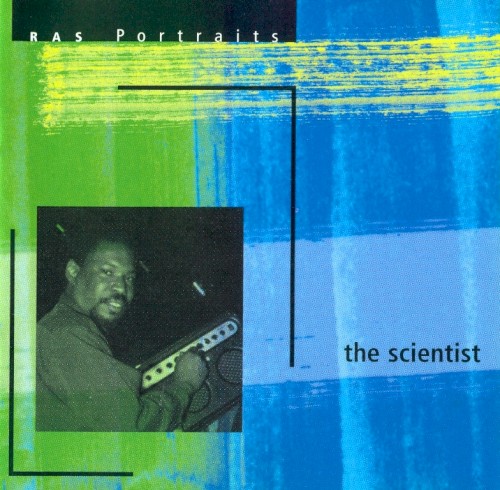
Hopeton Brown, better known as Scientist and sometimes known as Overton Brown, was a protégé of King Tubby, one of the originators of dub music. The Scientist burst onto the reggae scene in the late '70s with a reckless mixing style. He began his career as a technician at [[label:King Tubby's Studio]], repairing sound system amplifiers, and soon after he was called to the mixing board, as the engineer was missing. He gained a reputation for a distinctive mixing style.
Scientist left King Tubby's and became the principal engineer for Channel One Studio, giving him the chance to work on a 16-track mixing desk rather than the eight tracks at Tubby's. He came to prominence in the early 1980s and mixed many albums, his mixes featuring on many releases in the first part of the decade. In particular, he was the favourite engineer of Henry "Junjo" Lawes, for whom he mixed several albums featuring Channel One's Roots Radics, many based on tracks by Barrington Levy. He also did a lot of work for Linval Thompson and Jah Thomas. In 1982, he left Channel One to work at Tuff Gong studio as second engineer to Errol Brown.
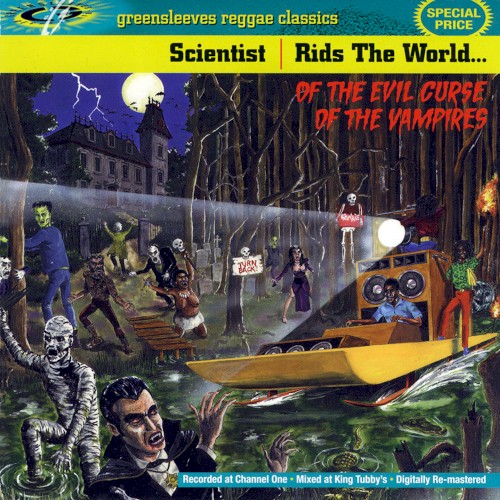
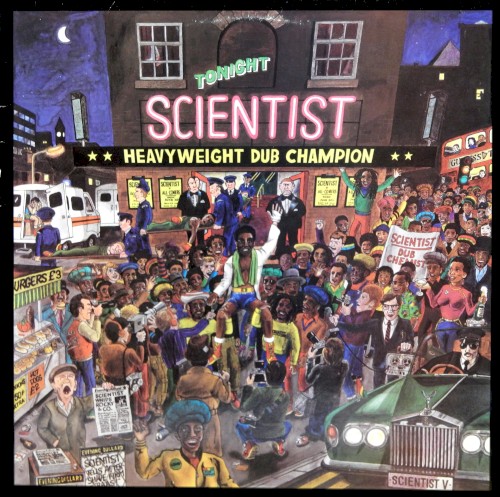
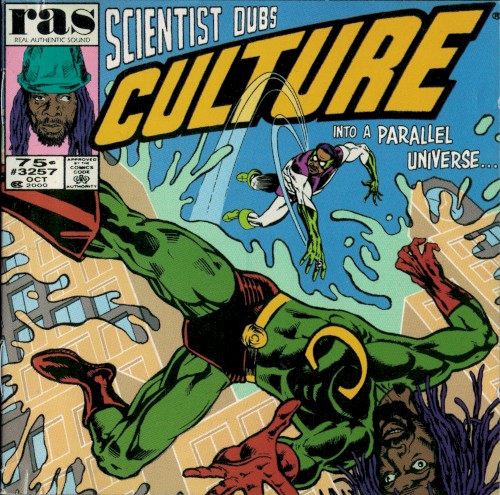
Scientist made a series of albums in the early to mid 1980s released on Greensleeves Records with titles themed around Scientist's fictional achievements in fighting Space Invaders, Pac-Men and Vampires, and winning the World Cup. The music on these albums was played by Roots Radics, and was mainly Junjo & Linval productions.
Five of his songs from the album The Scientist Rids the World of the Evil Curse of the Vampires were used as playlist songs on the K-Jah radio station, in the 2001 video game Grand Theft Auto 3.
“In the ’70s, I started building sound system audio amplifiers. I would then test the amplifier with test instruments to determine how the amplifier was performing. Everything would look normal, but when I played reggae music through the amplifier, it would overheat and the plates of the KT88 would run red, especially when I played a mix from the great King Tubby’s that had subsonic drum and bass frequencies as well as razor sharp high frequencies I would have to re -bias the KT88 and make other changes in order to accommodate reggae’s wide frequency response and high slew rate needs. I noticed when I played other types of music the amplifier would respond normal. I found that to be strange so I used King Tubby’s mixes as a platform to ensure that the amplifiers would not break down under extreme conditions.
I was fascinated by his exclusive style of mixing and unique sound effects. It was the “Roots of Dub” dub album produced by Bunny Lee that became my favourite test album and also inspired me to want to meet him. One day, I was repairing a television for a friend who had worked for King Tubby’s, we needed a transformer and King Tubby’s was the only place who had those particular types of transformers I was so excited to meet this brilliant man and considered myself very lucky to have had this opportunity. After that, it became a regular place for me to buy special made power and output transformers for the amplifiers that I was building. King Tubby’s became impressed with my electronic skills and abilities at such a young age. I told him I wanted to build a mixing console, at first, it sounded like a joke to him we joked about making mixing consoles with moving faders and automation. Years later it became a reality in Neve’s moving faders and SSL’s automation with total recall.”
Contact 1818-582-6734
By decade
2000s2 works
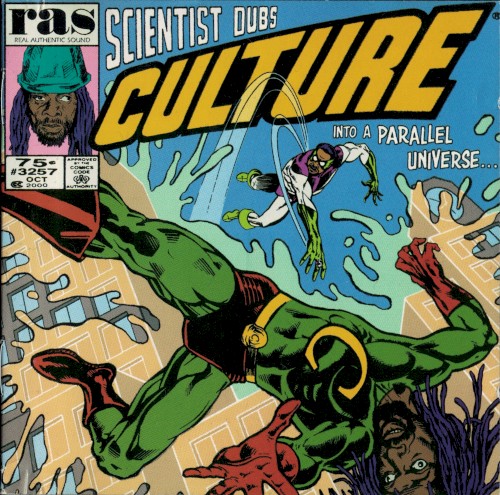
1990s2 works
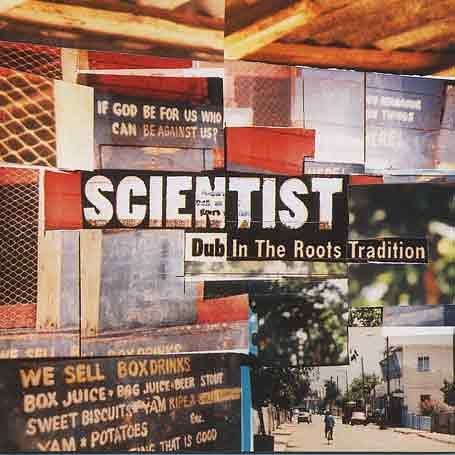
1980s7 works
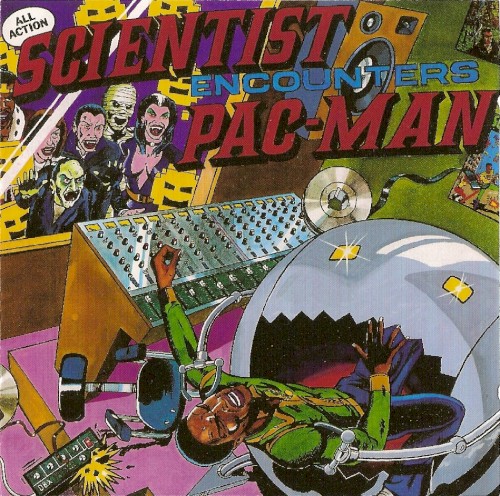 1982
1982 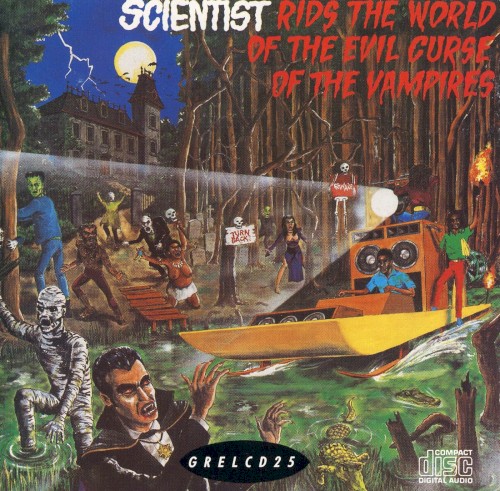 1981
1981 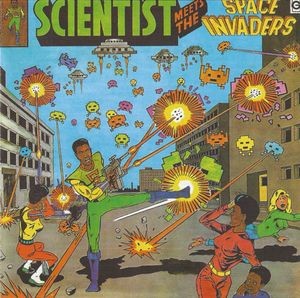 1981
1981  1980
1980 Released on
30 copies across 12 records
 4 copies
  4 copies 3 copies
  3 copies
  3 copies
  2 copies 2 copies 2 copies
  1 copy
  1 copy